
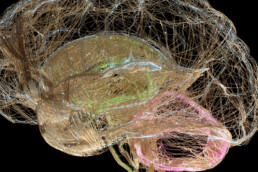
In vivo construction of the central amygdala and trigeminal motor nucleus white matter pathway in humans using 7T and 3T Diffusion Weighted Imaging
The mandibular branch of the trigeminal nerve controls muscles of mastication through an area of the pontine brainstem called the trigeminal motor nucleus (5M). In rodents, 5M motor neurons have been shown to be involved in various circuits that contribute to jaw functions. Mapping these circuits in humans has been challenging because of the complex structure of the brainstem, the prevalence of crossing fibers, and the need for high-resolution technology to unravel these circuits.
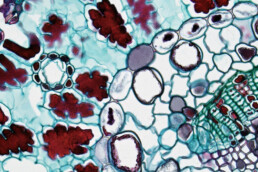
Impairments in the temporal organization of neural activity in patients with neuropathic pain
Treating neuropathic pain, often characterized by intense shooting, stabbing, or burning pain, is a major healthcare challenge. It is thought that the dynamic organization of neural networks is affected in patients with chronic pain.
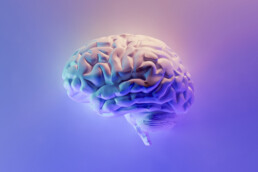
Brain-age gaps as a biomarker for pain treatment in certain pain conditions
Chronic pain can impact many different parts of the body, leading to serious structural and functional effects on the nervous system. Chronic pain and its burden on the brain becomes more prevalent in older adults. In addition, grey and white matter reorganization in the brain is thought to be accelerated in those with chronic pain.

Project ECHO Ontario Chronic Pain and Opioid Stewardship: minimizing distances and amplifying evidence-based care
The Project extension for community healthcare outcomes (Project ECHO) is a bidirectional teaching strategy that aims to disseminate knowledge and to increase the implementation of best practice in primary care in remote areas. Ontario has implemented the project since 2014 as the ECHO Ontario Chronic Pain and Opioid Stewardship.

Children with anxiety recall more pain 1 year post-surgery
When recalling post-operative pain, patients who have a negatively-biased recall of pain (i.e. recalled pain is worse than originally reported pain) are at greater risk for the development of chronic pain. In this study by UTCSP scientists, Joel Katz, Jennifer Stinson, and colleagues sought to identify risk factors that promote negatively-biased recall of post-surgical pain in children.

The link between pain and memory in the medial temporal lobe
The medial temporal lobe (MTL) is primarily thought to be responsible for memory and cognition. However, several functional neuroimaging studies have shown the involvement of this brain region in both the response to experimental pain in healthy individuals and in patients with chronic pain.

Defining and Predicting Pain Volatility in Users of the Manage My Pain App: Analysis Using Data Mining and Machine Learning Methods
The advent of technology and mobile health apps has transformed the way people monitor, manage, and communicate health-related information. For pain, “Manage My Pain” is a mobile health app used by thousands of individuals to measure and manage their pain.

Gabapentin increases expression of subunit-containing GABAA receptors
Gabapentin (also known as Neurontin) is clinically prescribed for the treatment of seizures, pain, and anxiety. While gabapentin is known to modulate voltage-gated calcium channels, some studies have suggested the effects of gabapentin are also dependent on GABAergic inhibition.

Conditioned pain modulation is not unidirectional: both hyper- and hypoalgesia can arise depending on the stimulus
Conditioned pain modulation (CPM) is the phenomenon in which one painful stimulus (the conditioning stimulus) affects the pain perception of a second stimulus (the test stimulus) at a different site.